September 28, 2026
For two decades, African leaders have repeated the same demand at the UN General Assembly's podium with almost ritual consistency: two perma…


A truly non-aligned movement cannot emerge if African countries are not determined to politically break or shake off the new shackles of colonial control

While Africans today seem keen on rejecting their cultural heritage, the enslaved Africans in the Americas made the opposite choice
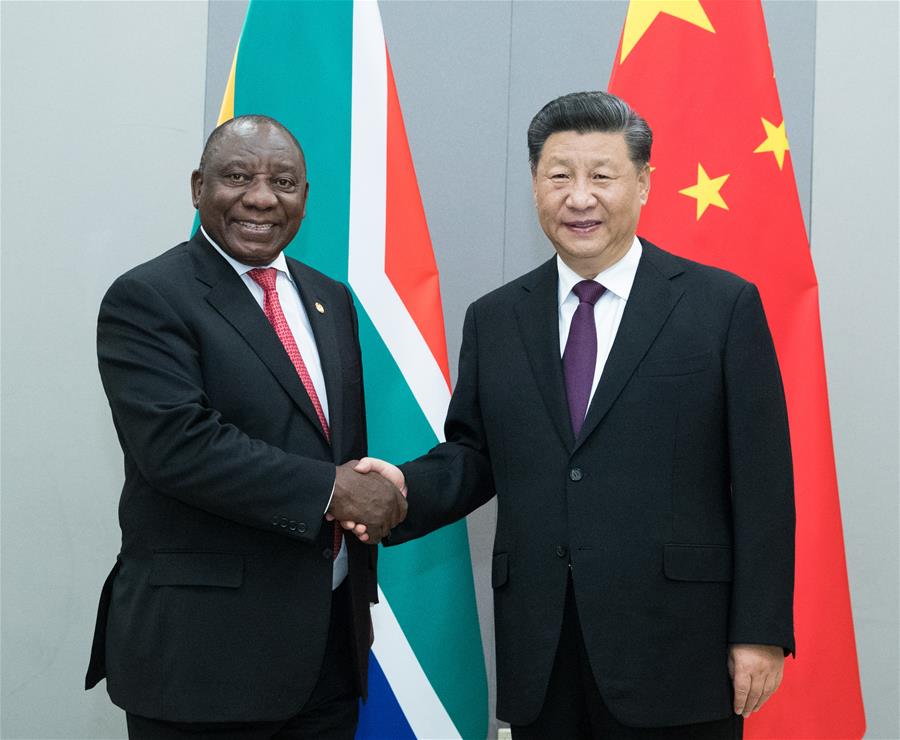
The relationship with China has increasingly become prominent and compares favourably to South Africa’s relations with countries that are perceived as China’s competitors

Following failed attempts to win the war in eastern Democratic Republic of Congo, Kinshasa has decided to part company with the East African Community (EAC)
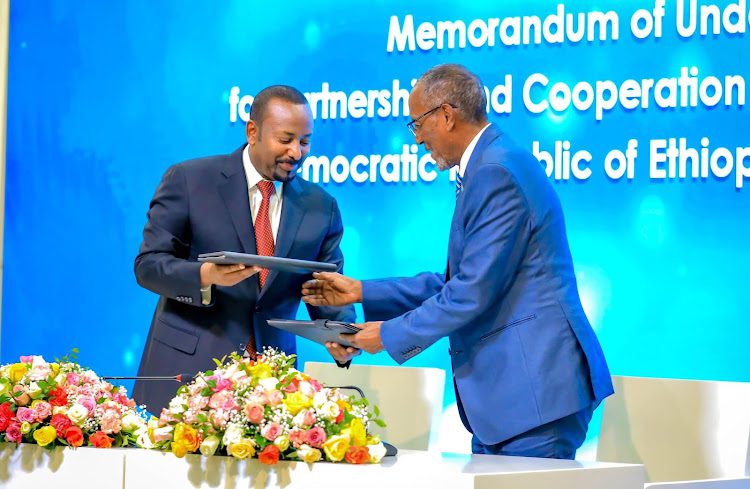
The complex geopolitical situation in the Horn of Africa reflects a delicate balance of power, with each country’s actions potentially affecting the stability and security of the entire region

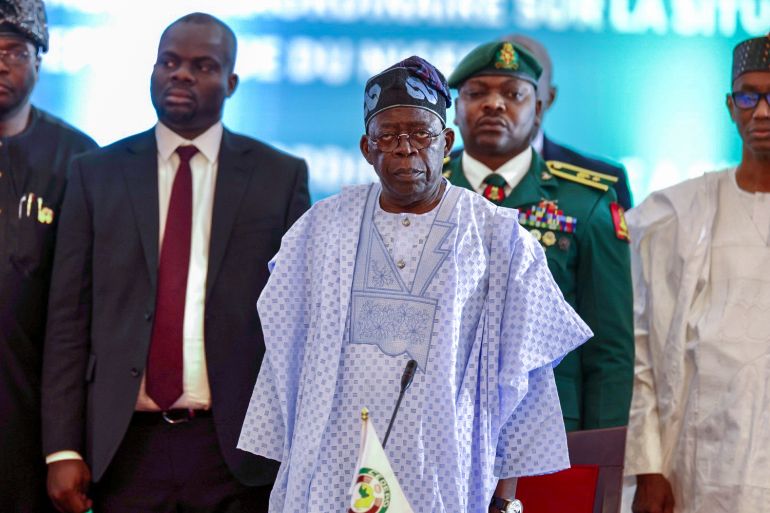
It looks like a truism that Africa exists in world history as a ‘thing’ that has never acted on its own but has always been acted upon by global powers

The people of Sudan bear the severe consequences of the civil war and the attendant political instability that have bedevilled the country since the overthrow of El-Bechir in 2019

We must bridge or eliminate the gap between science and non-science disciplines in formal education.

Kenya Kwanza’s ambitious economic plan is encountering significant challenges, putting its realization into jeopardy

A truly non-aligned movement cannot emerge if African countries are not determined to politically break or shake off the new shackles of colonial control

While Africans today seem keen on rejecting their cultural heritage, the enslaved Africans in the Americas made the opposite choice

The relationship with China has increasingly become prominent and compares favourably to South Africa’s relations with countries that are perceived as China’s competitors

Following failed attempts to win the war in eastern Democratic Republic of Congo, Kinshasa has decided to part company with the East African Community (EAC)

The complex geopolitical situation in the Horn of Africa reflects a delicate balance of power, with each country’s actions potentially affecting the stability and security of the entire region


It looks like a truism that Africa exists in world history as a ‘thing’ that has never acted on its own but has always been acted upon by global powers

The people of Sudan bear the severe consequences of the civil war and the attendant political instability that have bedevilled the country since the overthrow of El-Bechir in 2019

We must bridge or eliminate the gap between science and non-science disciplines in formal education.

Kenya Kwanza’s ambitious economic plan is encountering significant challenges, putting its realization into jeopardy


