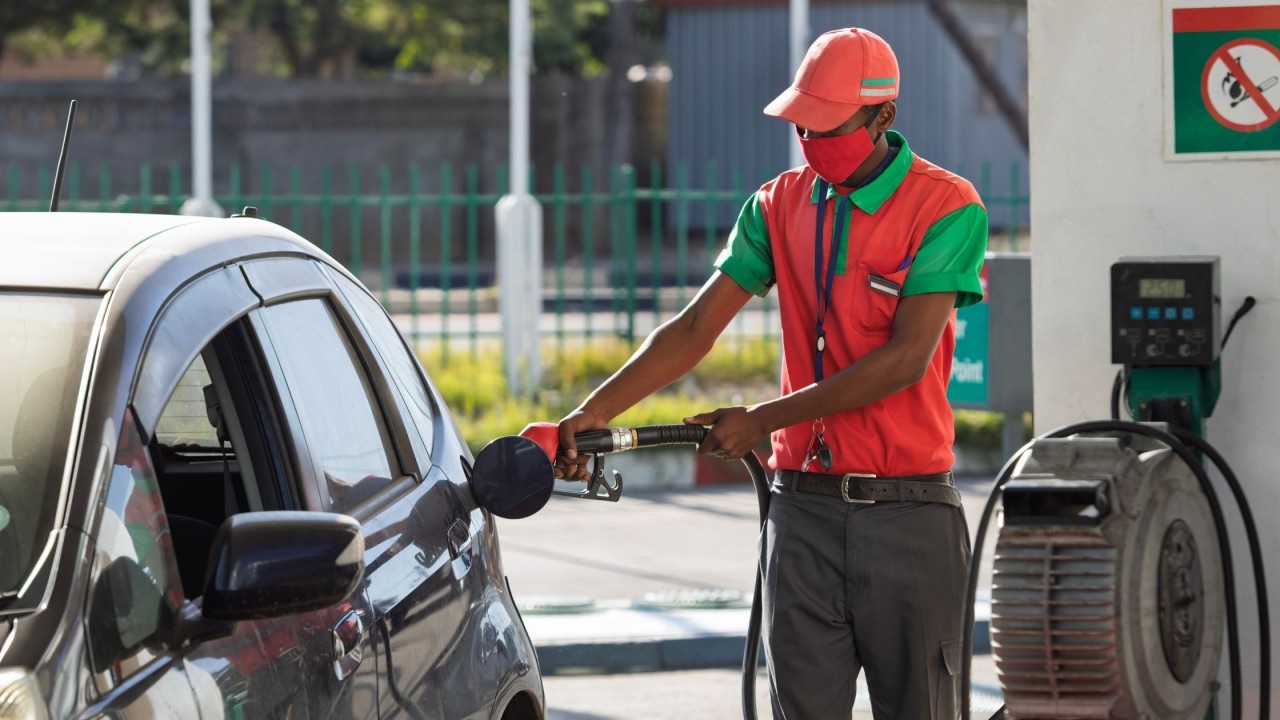
J.P Morgan provided a map indicating that the last day Kenya would be receiving oil is 1st April, 2026, and I am going to talk you through how to be mindful of your allostatic load. Without either bright shining or downplaying our current global crisis, unlike COVID-19, we are not borrowing survival strategies from the 1918 influenza pandemic, nor is there a combination of biological, social and information factors that fueled the coping strategies to the HIV/AIDS pandemic.
In March of 2020, when researching how the people of the world survived the world epidemic of 1918, it was sobering to discover that hand washing was a key intervention. Learn and do the basics with this crisis, too. A deeper dive revealed that my forefathers survived because they created physical distance between themselves and the epicentre of the disease. Essentially, you have options. During our last global crisis, COVID-19 resulted in heavy loss of lives, downturns of the financial markets, corruption, monetisation of trauma, disruption of supply chains, volatility of the local currencies, burden on healthcare, ubiquitous use of digital technology, obsessive social media use/consumption, as well as the reversal of monetary and fiscal policies. We are therefore not going through this alone. However, due to Kenyan politics, history and national culture, we went through some country-specific experiences such as a boost in domestic tourism, total disruption of the academic calendar for public education, corruption within the Covid-19 supply chain, commissioning of a private UN staff medical unit inside one of Kenya’s most prominent private hospitals, a spike in the reporting of domestic violence, hospital staff led burial practices and reduced diaspora remittances.
As with most crises, Kenyans were not treated equally. Thus, be aware of the limit of managing your expectations. The urban pandemic response was a mix mash of what governments in the United States, China and Sweden were enforcing, depending on which day of the week it was, as well as one’s ability to sustain themselves and their family. However, in rural and Coastal regions, it was business as usual, absent the daily bi-directional interaction with the Nairobi metropolitan. Second, the pandemic triggered abnormal behaviour such as excessive use of alcohol and drugs and obsessive germaphobia thus increasing the burden of mental health. If you do not know how to yet, you need to learn how to apply psychological first aid for your well-being. Third, human connection through community proved to be a critical lifeline. Fourth, Kenya is not shock-resistant to global emergencies. Lastly, Kenyans in general adapted and became resilient in spite of the disaster. You have the psychological memory to operationalise your tools for recovery.
This past month, 110 Kenyans lost their lives, 6,900 households were displaced, and properties were damaged as a result of rainfall flooding. The national and county governments’ justifications for their failures to have competent disaster and crisis management systems rang hollow, given the amount of money that had been allocated for just this purpose. No public servant was held to account. Are you relying on your government to cushion its citizens against the impending energy crisis? In the meantime, accept that just like COVID-19, this energy crisis might not only humble you but elevate your cortisol level as well. Breathe in. Breathe out. The longer the U.S.A thrusts its imperialism on Iran, the longer the world will take to normalise, and when it does, it shall not revert to previous settings. Focus ahead. Eventually, this energy shock too shall pass.
However, it is time we broke out of these cyclical energy shocks, as it gets worse with each cycle. Not having to be repeatedly resilient against familiar shocks is the reward Kenyans owe to themselves for having survived, again. Kenya, like most of Africa, has an abundance of possible avenues for renewable energy from hydro, wind and solar for subsistence use and light industries. Coupled with nuclear power for heavy energy consumers such as manufacturing industries, we have a chance of energy sovereignty.
Kenyans, let us bet on ourselves by planning and implementing for our country’s stability 100 years into the future with bite-sized time-specific goals. Building the capacity to reliably predict an energy-secure future feeds into controlling inflation, guaranteeing production, boosting efficiency, and ensuring consistent consumer buying power will boost our collective mental and behavioural health. This is because reliable structures facilitate the natural release of serotonin, dopamine, oxytocin and endorphin for an entire country. The stumbling block towards an energy-independent Kenya is not the high initial investment and raw material demand. The real threat is the conflict of interest involving public servants having skin in the oil production industry.
There is a cacophony of political fallouts and realignments presently ongoing aimed at the general election in August 2027. The impending impact of the energy crisis should remind every Kenyan that more than any Kenyan ISM, we need our systems to work and not political leaders who enrich themselves.