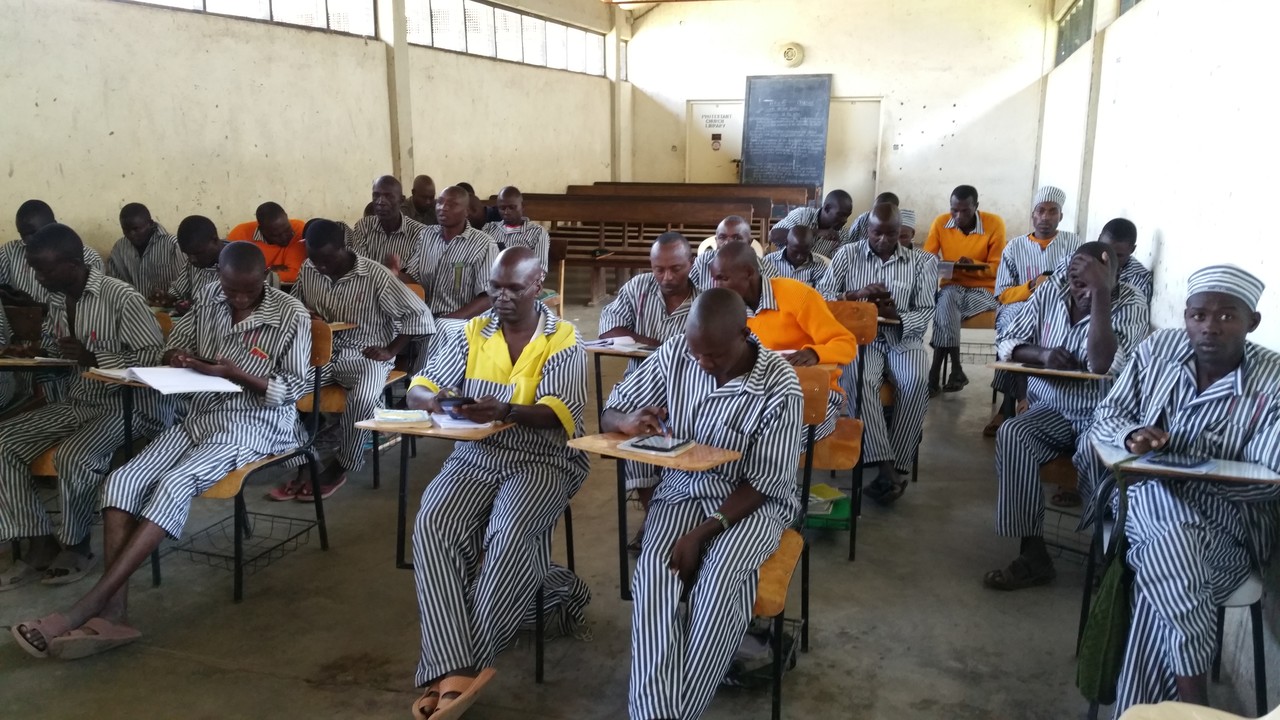
Every year, Kenyan prisons celebrate remarkable stories of transformation. Men and women who once entered prison with little hope leave with university degrees, vocational skills, restored families, and a determination to rebuild their lives. We applaud these stories. We call them evidence that rehabilitation works. But there is one question we rarely ask: What happens after the prison gates open?
A few months ago, I approached a law firm with what I thought was a compelling proposition. I asked them to consider employing a young advocate who had once been incarcerated. While serving his sentence, he studied law, qualified as an advocate. He had done everything society asks of someone seeking a second chance.
The managing partner listened carefully before asking a question I have since heard many times, “Why should I employ someone with a criminal record when there are many lawyers out there with clean records?” It is an uncomfortable question. It is also an honest one.
As a lawyer who has spent more than two decades working within Kenya’s justice system and, more recently, alongside prison paralegals and formerly incarcerated people, I have come to realize that this question exposes a deeper contradiction in our criminal justice system.
We proudly speak about rehabilitation as one of the objectives of imprisonment. We invest in education, vocational training, counselling, and reintegration programs. We encourage prisoners to change. Yet when they emerge transformed, society often refuses to believe them.
This debate is not unique to Kenya. Across the world, justice systems are grappling with the role of lived experience in reform. Increasingly, governments and civil society organizations are recognizing that those who have experienced prison possess insights that professionals alone cannot offer. Formerly incarcerated people are working as mentors, violence interrupters, peer navigators, policy advisers, and justice advocates because they understand the system from the inside.
Yet nowhere has this debate been more visible than in the United States. Every year, hundreds of thousands of people leave prison hoping to rebuild their lives, only to encounter barriers to employment, housing, professional licensing, and education. Recognizing these challenges, many states adopted “Ban the Box” and Fair Chance hiring policies to delay questions about criminal history during recruitment. While these reforms have opened some doors, they have also shown that changing the law is easier than changing public perception. The greatest obstacle to reintegration is often not the criminal record itself but society’s reluctance to believe that people can genuinely change.
Kenya now stands at a similar crossroads. Our prisons celebrate graduations. We encourage education as a pathway to rehabilitation. At Justice Nest, we have seen incarcerated and formerly incarcerated paralegals help fellow prisoners understand their legal rights, prepare court documents, and navigate a justice system that would otherwise remain inaccessible. Their lived experience has become an asset in expanding access to justice.
Yet every time I recommend one of these people for employment, the conversation returns to the same concern: can they be trusted? The concern is legitimate.
Critics argue that people who have been imprisoned understand the loopholes in the system and may exploit positions of trust. They worry that former prisoners working in prisons or justice institutions may smuggle contraband, manipulate vulnerable people, or be influenced by former criminal networks. These risks cannot be dismissed. Public confidence in the justice system depends on integrity. But they should also be viewed honestly.
Misconduct is not unique to people with lived experience. Around the world, prison officers, lawyers, police officers, and even judges have abused positions of public trust. Contraband does not enter prisons solely through former prisoners. Lawyers have been struck off the Roll of Advocates for dishonesty. Police officers have been prosecuted for corruption. Public office has never been immune from misconduct.
When professionals abuse their positions, we do not abolish the profession. We strengthen recruitment, supervision, ethics, and accountability. Why should the standard be different for people with lived experience? The real issue is not whether someone has previously been incarcerated. The issue is whether institutions know how to recruit wisely, supervise effectively, and hold every individual accountable, regardless of their background.
Lived experience is not a qualification in itself. Neither is a law degree. Neither is twenty years of professional experience. Justice reform demands something more. It requires competence, integrity, emotional maturity, ethical judgment, and accountability. Lived experience adds something that no classroom can teach, but it does not replace the discipline required to exercise public trust.
Some have even asked a more provocative question: could a person with a criminal record ever be trusted to hold high public office, or even serve as a judge? The instinctive answer for many is no.
Yet that question forces us to confront what we really believe about rehabilitation. Every judge brings lived experience to the bench. Former prosecutors, commercial lawyers, academics, and public servants all see the law through the lens of their professional journeys. We trust them not because they have no history, but because they have demonstrated competence, independence, and integrity.
Our Constitution’s Chapter Six rightly demands high standards of leadership and integrity. It does not, however, create a blanket constitutional rule that every person with a previous conviction is forever incapable of serving the public. For certain offices, Parliament has imposed specific disqualifications. But integrity cannot be measured solely by whether a person has ever fallen. It must also be measured by what they have done since. That is the true test of rehabilitation.
After twenty years in this profession, I have often asked myself another question. Is it time for lawyers and justice professionals like me to step aside and allow people with lived experience to lead justice reform?
I do not believe the answer is to replace one form of expertise with another. The future of justice reform belongs to partnership. Lawyers understand constitutions, legislation, institutions, and policy. People who have experienced prison understand the human consequences of those systems in ways that no textbook can teach. One brings technical expertise. The other brings experiential wisdom. Justice reform needs both.
Perhaps, then, the better question is not whether we should employ someone with a criminal record. The better question is this: What evidence would convince us that rehabilitation has genuinely occurred? If our answer is “nothing,” then rehabilitation is little more than rhetoric.
But if our answer is integrity, competence, accountability, and sustained transformation, then perhaps it is time we started judging people not only by the worst mistake they have made, but by the person they have worked so hard to become. If the justice system itself cannot believe in redemption, how can it expect anyone else to?