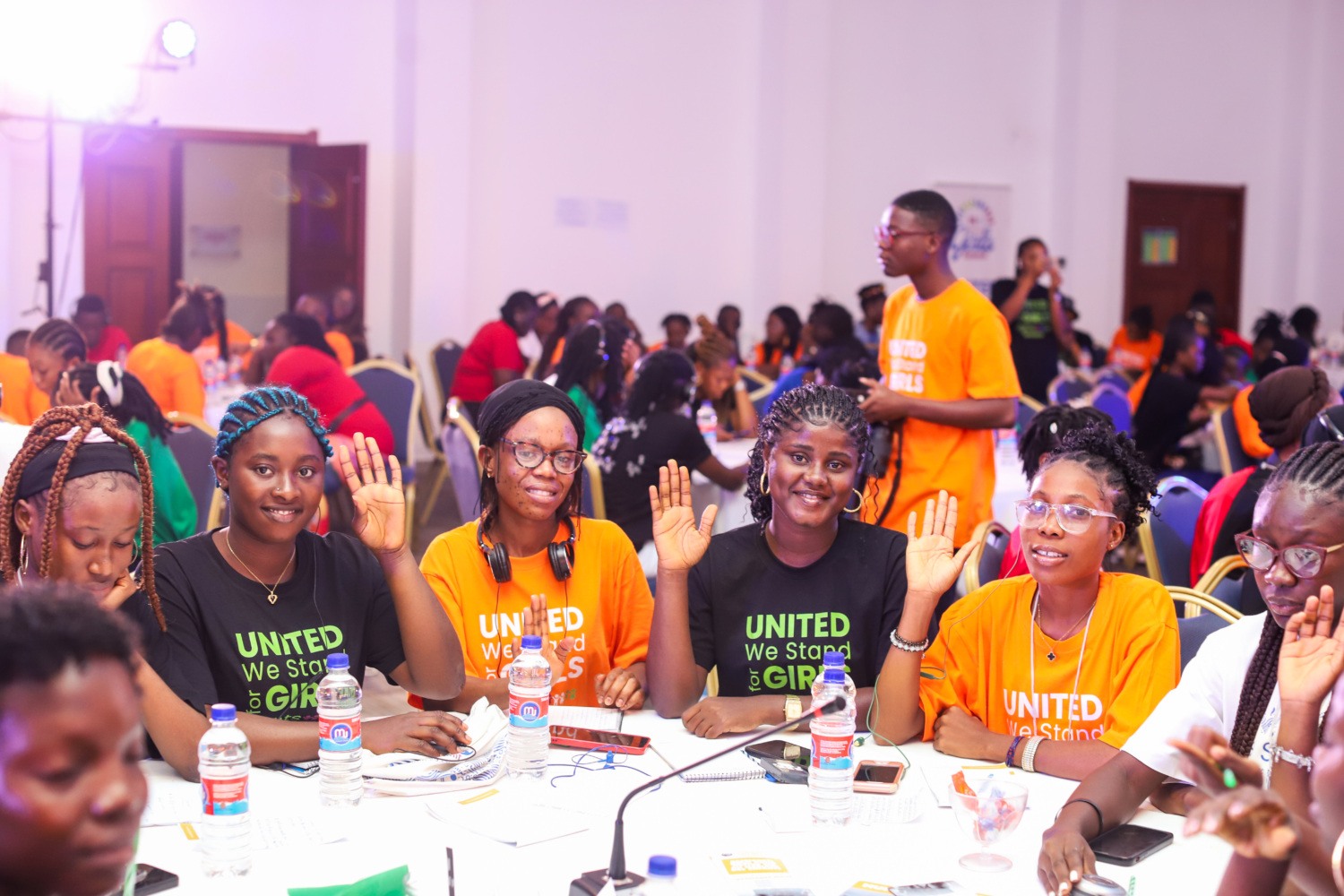
As we mark International Day of the Girl Child, 2026, I reflect on the theme for this year “End child marriage and invest in girls’ rights!” and how far we have come as a country and as a continent. Across communities in Nigeria, from bustling urban settlements to remote rural villages, there are millions of girls carrying responsibilities far beyond their years. Before many of them arrive at school, they have already swept homes, hawked goods, cared for younger siblings, fetched water, or supported family businesses. For some, school attendance itself is uncertain, interrupted by poverty, domestic expectations, insecurity, or harmful gender norms.
Yet despite the odds stacked against them, these girls continue to show extraordinary resilience, brilliance, and potential. The tragedy is not that African girls lack ambition or ability. The tragedy is that too many education systems and societies still fail to fully see, support, and invest in them.
As leaders across Africa continue conversations about development, economic transformation, innovation, and prosperity, we must confront an uncomfortable truth: Africa cannot achieve its full promise while millions of girls remain excluded from quality education and opportunity. Girls’ education is not simply a social issue. It is an economic issue, a leadership issue, a justice issue, and ultimately, a nation-building issue.
According to UNICEF data, in Nigeria alone, approximately 7.6 million girls are out of school, with millions more attending school inconsistently or learning in environments that do not fully support their growth and potential. In many of the underserved communities where Teach For Nigeria Fellows are placed, girls miss school regularly, not because they lack interest in learning, but because poverty and survival demands force families to prioritise immediate income over long-term opportunity.
For many families living on daily income, every extra pair of hands matters. Girls are often expected to support petty trading, domestic work, or caregiving responsibilities. Over time, this reinforces a dangerous belief: that a girl’s short-term labour is more valuable than her long-term education. The consequences are devastating and intergenerational. We see the this all too often
When girls are denied access to quality education, communities lose future teachers, innovators, entrepreneurs, scientists, and leaders. Nations lose economic productivity and social progress. Cycles of poverty deepen. Harmful stereotypes become further entrenched. But perhaps most painful is the loss we do not talk about and often not seen. The loss of confidence, voice, and possibility.
One of the realities our Fellows consistently observe in classrooms is that many girls have already internalised limitations about who they can become. Some have been taught, directly or indirectly, that leadership belongs to boys. Others have learned that silence is modesty and ambition is inappropriate. Many participate less in class, hesitate to take leadership roles, or struggle to imagine futures beyond what society has prescribed for them.
This is why girls’ education must go far beyond school enrollment and access alone is not enough. A girl may sit in a classroom and still feel unseen. She may attend school and still face bias, low expectations, insecurity, sexual violence, or environments that diminish her confidence. She may pass through the education system without ever truly being empowered by it.
Building equitable education systems requires us to ask deeper questions:
- Are girls safe in schools?
- Do they feel confident speaking up?
- Are classrooms designed to encourage equal participation?
- Do girls see role models who reflect possibility?
- Are teachers equipped to respond to gender-specific barriers?
- Are communities actively supporting girls to thrive?
Importantly, this work cannot happen in isolation. Sustainable progress in girls’ education requires governments, educators, communities, civil society, parents, and the private sector to work together. It requires investment not only in infrastructure, but also in mindsets, teacher development, safeguarding systems, and leadership pipelines for girls. It also requires African-led solutions.
What Africa needs, and what the international development and education community must be willing to fund at scale, is a sustained, multi-sector commitment to keeping girls in school that treats community-embedded educators as the infrastructure of change, not an afterthought to it. Teachers, particularly young, values-driven teachers placed in underserved communities with the explicit goal of advancing gender equity, are one of the most powerful and underutilised levers we have.
This moment is particularly urgent for Africa. We are home to one of the world’s youngest populations. The future competitiveness of our continent will depend significantly on how well we educate and empower this generation. In an increasingly digital and knowledge-driven world, we cannot afford to leave girls behind
The future of Africa is sitting in classrooms today. It looks like the girl in Abeokuta who dreams of becoming an engineer but has never met one. It looks like the girl in a low-income community in Lagos who misses school during market days to support her family business. It looks like the teenager in a rural community who wants to lead but has been taught to stay quiet. Our responsibility is to ensure that these girls are not defined by the limitations around them.
Because when a girl is educated, supported, protected, and empowered, she does not only transform her own life. She transforms families, communities, economies, and ultimately nations. The question is no longer whether we can afford to invest in girls’ education. It is whether Africa can afford not to.