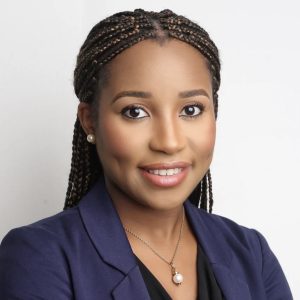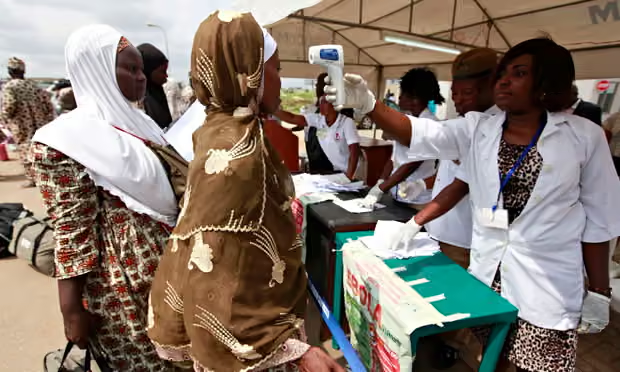
This month, as I remembered my late aunt, Dr. Ameyo Stella Adadevoh, 11 years after she died from Ebola, my mind returned to the first hours of Nigeria’s 2014 outbreak. Before the response became a global success story of Africa’s most populous country’s containment of a deadly virus, one doctor in one hospital made a decision that bought Nigeria time and saved countless lives. She suspected Ebola, refused to discharge the index patient despite pressure, and paid for that courage with her life.
The truth is that the first Ebola response is not always public. It starts with an unexpected frontline decision like hers, or a family at home choosing what to do with a sick person. In fact, by the time the first Ebola case is confirmed and announced by any formal health system, the response is actually already underway in the informal sector. That is why the current Ebola epidemic should push Africa to look closely at the many hidden decisions that determine whether transmission slows down or speeds up. As a member of Nigeria’s Presidential Task Force on Ebola Preparedness and Emerging Public Health Threats, I keep returning to this lesson. The reality is that Ebola containment begins in the decisions made by frontline health workers, families, and communities before the formal system fully arrives.
From May, when the World Health Organization declared Ebola in the Democratic Republic of Congo (DRC) and Uganda a Public Health Emergency of International Concern, DRC is now facing the fastest spreading and deadliest Ebola outbreak in the country’s history. It is the second-most lethal Ebola outbreak on record and is on track to be the largest ever seen with more than 5,500 confirmed cases and more than 2,500 deaths reported.
The numbers are alarming, but they do not tell the full story. Recent reporting shows that many new cases in DRC are being found among people who were not being monitored. That means the virus is moving through gaps in the surveillance and contact tracing systems which further demonstrates that the response should include elements outside of the formal system which is currently struggling to keep up with the virus.
Every community already has people who know what is going on and influence how information moves. They may be faith leaders, teachers, market women, artisans, birth attendants, youth leaders, or respected neighbors but whatever the case, they have a role to play. For example, they can notice illness before it reaches a health facility or dispel a harmful rumor or encourage daily hygienic behaviors to prevent an illness from spreading. They already have the key relationships and influence that formal systems need to leverage to support disease prevention and response to emergencies.
Imagine if African countries did not only rely on experts and authorities but instead also relied on trusted local people who are equipped before emergencies begin, formally connected to local authorities, and recognized as part of preparedness.
In my work over the past decade leading DRASA Health Trust, we have seen the power of working with people to fill gaps that the formal system cannot. Equipping everyday people as health champions in schools, communities, and local health facilities has strengthened disease prevention, improved early reporting, and enabled trusted local action before small health risks become bigger emergencies. Efforts to contain health emergencies like Ebola need help from people embedded in communities who have earned the trust of those around them and can easily support a struggling outbreak response. But even better, these people should become part of ongoing disease prevention and outbreak preparedness systems, even when there is no emergency.
This lesson is urgent now because the DRC epidemic is unfolding in conditions that make response harder. Armed conflict, public mistrust, and attacks are disrupting movement and making already difficult work more dangerous for the health authorities.
Infectious diseases do not wait for perfect conditions and they often appear where systems are already strained and that is why African countries must approach these health emergencies differently.
We must invest in trusted local agents before outbreaks begin. Every community should know who its health champions are before the first case appears. They should be trained, equipped, and embedded in formal health systems as part of routine disease prevention and preparedness, not only identified and co-opted into a response after the emergency has already begun.
Surely, governments, regional bodies, donors, and technical partners must invest in laboratories, surveillance, emergency operations, supplies, and technical expertise to support community health and emergency response. But without trusted local networks of people primed for disease prevention and outbreak preparedness, even well-funded responses will struggle to reach the people whose daily decisions matter the most.
For Africa to more effectively prepare for the next outbreak or epidemic, wherever it appears, preparedness must become part of everyday life through communities with health champions who are active and ready. Because by the time the world announces there is an emergency, the first response has already happened.