


A year ago, I argued that the Trump administration had a unique opportunity to make a decisive contribution to resolving one of Africa’s deadliest, decades-long conflicts in the Democratic Republic of Congo (DRC). Since then, some progress has been made, particularly on the interstate dimension of the crisis, which now has a framework for resolution on paper. It was also clear that this interstate track could only succeed if the Doha process, which addresses the root causes of the internal dimension of the conflict, was allowed to move forward in parallel.
Massad Boulos, Trump’s senior adviser on African affairs, together with Qatari mediators, has tried to make this happen. Yet from the outset, Kinshasa’s European backers have done everything possible to undermine these efforts. The Trump administration should not allow them to succeed. Europe’s colonial hangover directly undermines both African interests and those of the US.
Control over win-win relations
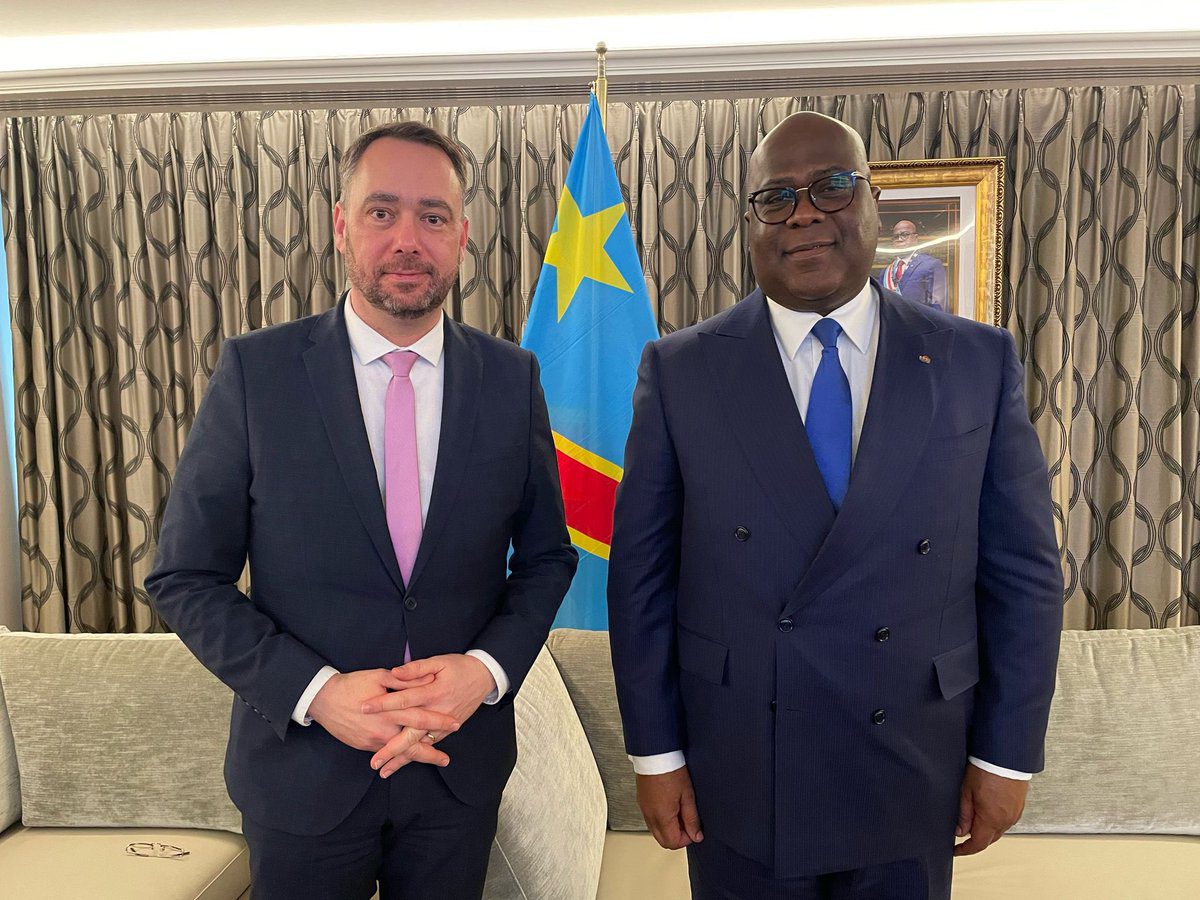
Actors who care more about control than mutually beneficial outcomes make it impossible for an organic solution to the DRC’s recurring crises to emerge. Trump’s transactional instincts are the right ones, but only if they are followed through to their logical conclusion. Peace and security in the DRC are not optional ideals; they are the foundation of any profitable and sustainable foreign investment.
For more than three decades, this basic truth has been obscured by Western powers, including successive US administrations, whose approach has been to manage, micromanage, and dictate regional behaviour rather than address the underlying problem.
The result has been predictable. Democracy promotion paired with moralising, sanctimonious lectures on human rights, alongside billions squandered on peacekeeping and humanitarian operations, has delivered nothing but failure. The Western-controlled, INGO-saturated state produced by these experiments has been unable to govern this mammoth territory and has been systematically prevented by its handlers from working with its more capable neighbour, Rwanda, to turn things around. The now-failed Congolese state compounded these problems by allowing a genocidal force, the FDLR, and hundreds of militias to turn eastern DRC into an ungoverned jungle. Yet its babysitters insist that the real problem is external. As long as the decision-maker in Kinshasa depends on their “benevolence” for political survival, he can apparently do no wrong.
The China factor
Ironically, by fixating on control, the West has helped create conditions in which Western mining companies have steadily lost ground to their Chinese competitors. The reasons are largely structural.
For one thing, elements of China’s overseas operations are state-subsidised. China also commands a tightly integrated supply chain anchored in a formidable manufacturing base. This allows Chinese operators to absorb losses in upstream activities and recover them further down the value chain, or for the state to absorb those losses outright for strategic reasons. Chinese operators can also bear additional costs, which often include bribery to circumvent environmental and tax regulations, and workarounds for poor or non-existent road and energy infrastructure, not to mention the recruitment of armed protection in a country where armed groups are the norm rather than the exception.
In the critical minerals sector, where China enjoys significant market power, Western companies struggle to absorb these additional costs and lack the same capacity to withstand losses. Moreover, their supply chains are less integrated, meaning that at every stage—from feasibility studies to extraction, refinement, and manufacturing—operators are typically expected to generate a profit. In short, this means that these operators face the same cost pressures without the manufacturing ecosystem and state support their Chinese competitors enjoy.
From any serious transactional standpoint, this environment clearly works against US interests. Economic activity conducted under these conditions ensures that American products higher up the value chain remain uncompetitive vis-à-vis Chinese alternatives. Tariffs will not fix this problem.
Why the US should support the AFC/M23
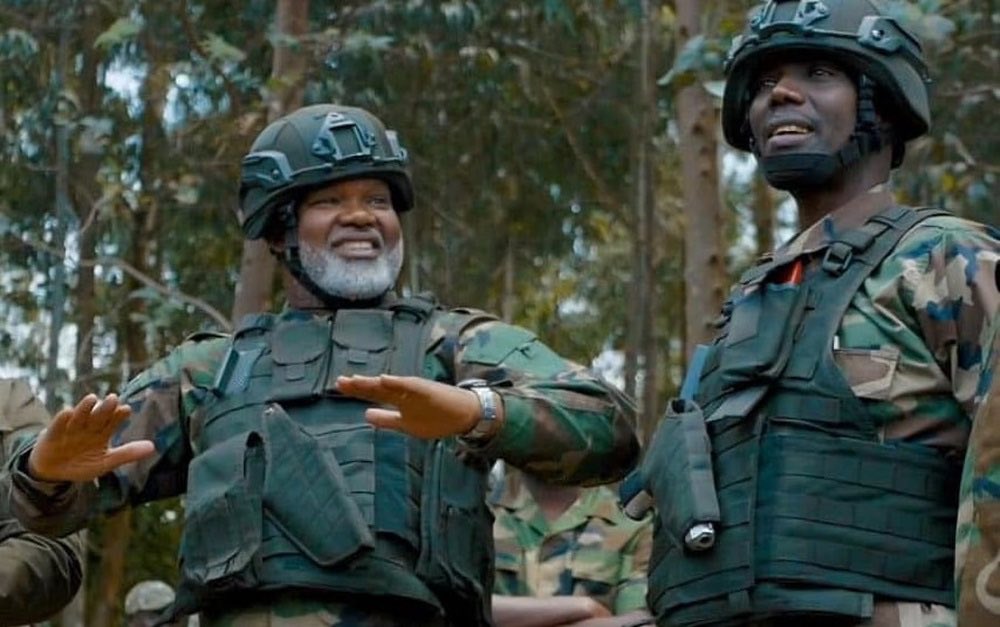
Fortunately, there is a way to stabilise Congo and make it more attractive to American investors, but it runs counter to the West’s instinct for control. The AFC/M23, a Congolese movement seeking to re-establish the rule of law, is not asking for financial assistance. Yet in the areas it controls, it has achieved more than a multibillion-dollar peacekeeping mission that many in Western capitals still wish to revive, despite its abysmal track record.
Many within the US administration believe that MONUSCO can keep Congolese actors in check. They are mistaken. After 26 years, armed groups have multiplied under its watch. Its multilateral structure, dependence on troop-contributing countries, and political constraints have rendered it ineffective. Put plainly, MONUSCO is money down the drain.
What the AFC/M23 offers instead is tangible and does not require US expenditure beyond investment. Community reconciliation, the disarmament and neutralisation of armed groups, road construction and rehabilitation, and the establishment of functioning justice systems are not abstract promises. They are concrete, ongoing measures that will ultimately help level the playing field for mining companies and eliminate the need for costly private security arrangements and other extraneous expenses.
Sceptics will argue that previous movements made similar promises and failed. That is a fair point. But the US has no viable alternative. The current political elite in Kinshasa is deeply inept, unable to impose order even in its own capital. The Trump administration must ignore pressure from Belgium and other European actors who bear significant responsibility for Congo’s current condition and help broker an arrangement that recognises a fait accompli: allowing the AFC/M23 to continue administering the territories it controls. This would be a political experiment led by Africans who understand their land, history, and realities best. It requires common sense, or what control-minded policymakers prefer to call “out-of-the-box thinking”. Congolese of goodwill should be left alone to manage their affairs as they see fit.
Such an approach would also address Rwanda’s long-standing security concerns, remove any incentive for further AFC/M23 advances towards Kinshasa, and facilitate the return of refugees, a core demand of the movement. This would be a practical, locally driven solution that safeguards both US and African interests while keeping European neo-colonial influence, and its enablers in Kinshasa, in check.
The US now faces a clear choice. Does it value control over mutually beneficial partnership? It can follow the European path, heed Belgium’s advice, and worsen an already dire situation, as France has done in the Sahel. Or it can embrace the Trump peace agenda, which supports investors, enhances continental security, and may ultimately remove the need to deny visas to Africans who would no longer be forced to leave home in search of opportunity.

